Understanding Diabetic Retinopathy: Symptoms, Risks, and Treatment
Understanding Diabetic Retinopathy
Diabetes can affect many parts of the body, including the eyes. One of the most serious diabetes-related eye conditions is diabetic retinopathy, which can develop when consistently high blood sugar damages the small blood vessels in the retina. Because this condition may progress without noticeable symptoms in its early stages, routine eye exams are essential for protecting your vision.
What Is Diabetic Retinopathy?
Diabetic retinopathy occurs when high blood sugar weakens or damages the blood vessels in the retina, the light-sensitive tissue at the back of the eye. Damaged vessels may leak fluid or blood, causing swelling and changes in vision. As the condition advances, the eyes may grow abnormal blood vessels that can lead to scarring, retinal detachment, or permanent vision loss.
Diabetic retinopathy can affect people with both Type 1 and Type 2 diabetes. The longer a person has diabetes, the greater the risk, especially when blood sugar, blood pressure, or cholesterol levels are not well controlled.
Common Symptoms of Diabetic Retinopathy
Diabetic retinopathy may not cause symptoms during its early stages. As the condition progresses, you may notice:
- Blurred or fluctuating vision
- Dark spots, floaters, or streaks in your vision
- Difficulty seeing at night
- Colors appearing faded or washed out
- A dark or empty area in your field of vision
- Sudden vision changes or vision loss
New floaters, flashes of light, or a sudden dark curtain across your vision may indicate a serious retinal problem and require prompt medical attention.
Risk Factors to Know
Several factors can increase your risk of developing diabetic retinopathy. These may include having diabetes for many years, difficulty managing blood sugar, high blood pressure, high cholesterol, pregnancy, smoking, and kidney disease. People with diabetes should work with their primary care provider and eye doctor to monitor their overall health and eye health.
Keeping blood sugar, blood pressure, and cholesterol within the recommended ranges can help reduce the risk of eye damage. However, even people who carefully manage their diabetes should receive regular comprehensive eye exams.
How Is Diabetic Retinopathy Diagnosed?
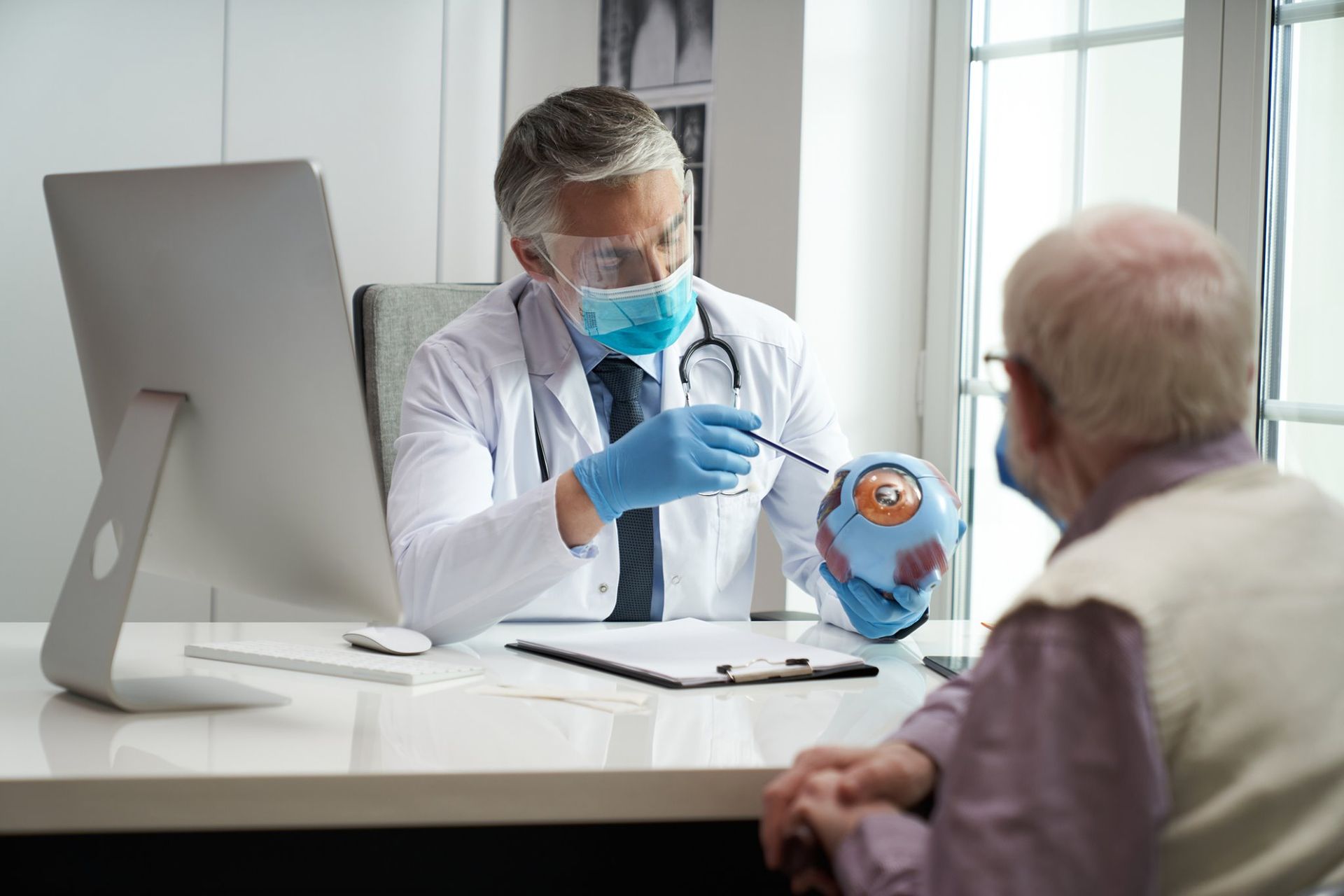
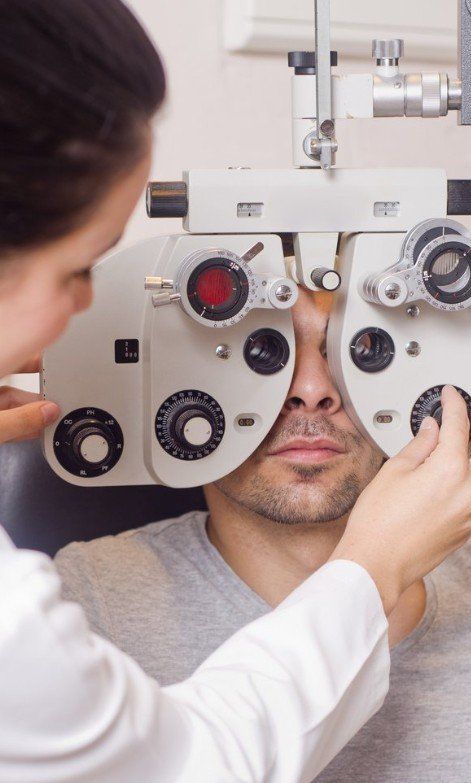
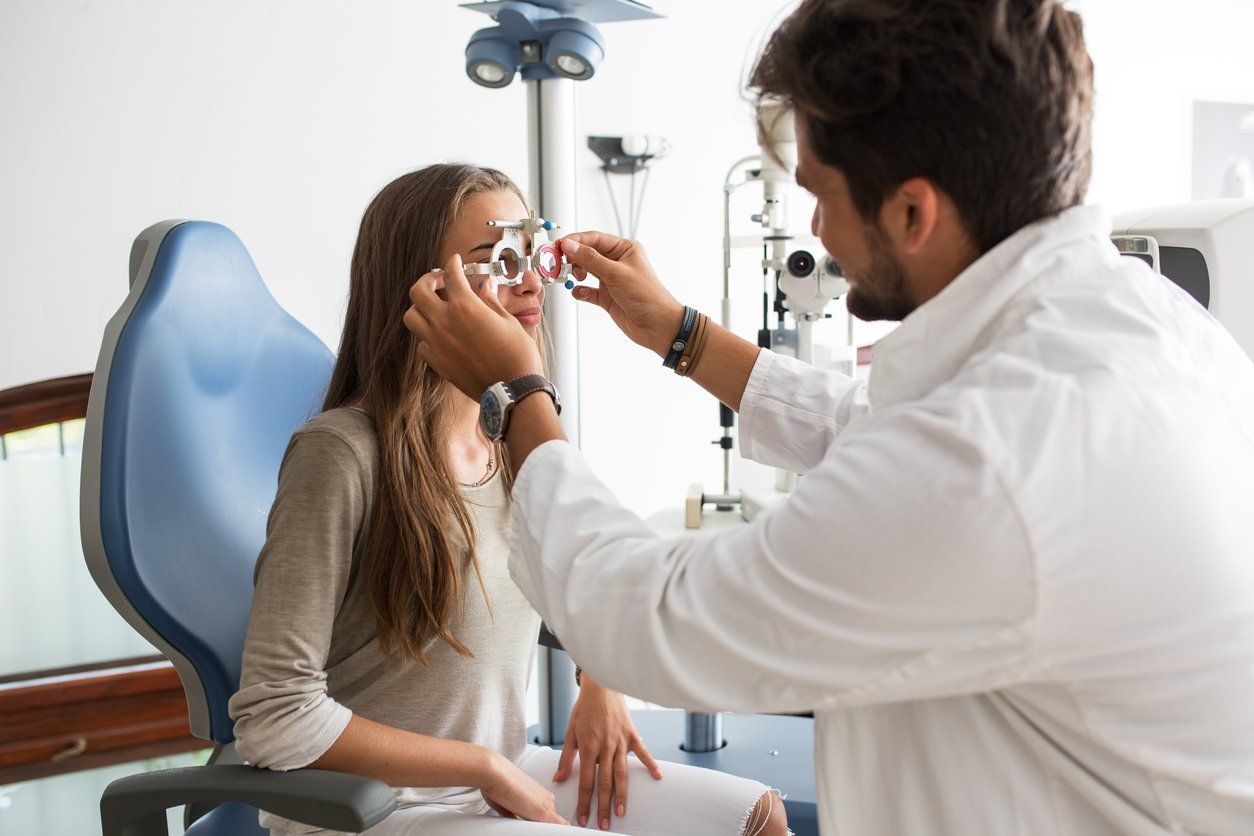
An eye doctor can check for diabetic retinopathy during a comprehensive dilated eye exam. During the evaluation, the doctor examines the retina and optic nerve for signs of leaking blood vessels, swelling, scar tissue, or abnormal blood vessel growth.
Additional testing, such as retinal photography, optical coherence tomography, or fluorescein angiography, may be recommended to provide a more detailed view of the retina and determine whether treatment is necessary.
Diabetic Retinopathy Treatment Options
Treatment depends on the type and severity of diabetic retinopathy. In mild cases, your eye doctor may recommend regular monitoring along with better management of blood sugar, blood pressure, and cholesterol.
More advanced diabetic retinopathy may require treatment to reduce swelling, slow abnormal blood vessel growth, or prevent further vision loss. Depending on your condition, treatment may include injectable medications, laser treatment, or surgery. Early diagnosis often provides more options for managing the condition and protecting your sight.
Protect Your Vision with Regular Eye Exams
Diabetic retinopathy does not always cause warning signs before vision damage occurs. Scheduling routine diabetic eye exams allows your eye doctor to identify changes early and recommend appropriate care. If you have diabetes, follow your recommended eye exam schedule and contact your doctor promptly if you notice any sudden changes in your vision.
If you have diabetes or are experiencing blurred vision, floaters, or other changes, contact Buffalo Eye Center to schedule a comprehensive
eye examination. Our team can evaluate your eye health, discuss your concerns, and help you understand the next steps for protecting your vision.
Reach out today to request an appointment. We proudly serve Amherst, Buffalo, Cheektowaga, Clarence, Grand Island, Kenmore, Lancaster, Lockport, Niagara Falls, North Tonawanda, Orchard Park, Tonawanda, West Seneca, Williamsville, NY, and the surrounding areas.