When Is Glaucoma Surgery Recommended?
Is Glaucoma Surgery Right for You?
Glaucoma is a group of eye diseases that can damage the optic nerve and eventually cause permanent vision loss. Because it may progress gradually and can be difficult to notice in its early stages, regular eye care and timely treatment are important for protecting your vision. At Buffalo Eye Center, we evaluate patients for glaucoma and provide treatment options based on each person's diagnosis and eye health.
For some patients, prescription medication or laser treatment can help manage glaucoma. In other cases, glaucoma surgery may become an appropriate part of the treatment plan. Understanding when surgery may be necessary can help you feel better prepared to discuss your options with your eye doctor.
Understanding Glaucoma & Its Effect on Vision
Glaucoma affects the optic nerve, which carries visual information from the eye to the brain. Damage to this nerve can cause progressive vision loss and, in advanced cases, blindness. One possible warning sign is a loss of peripheral, or side, vision, although glaucoma may develop without obvious symptoms at first.
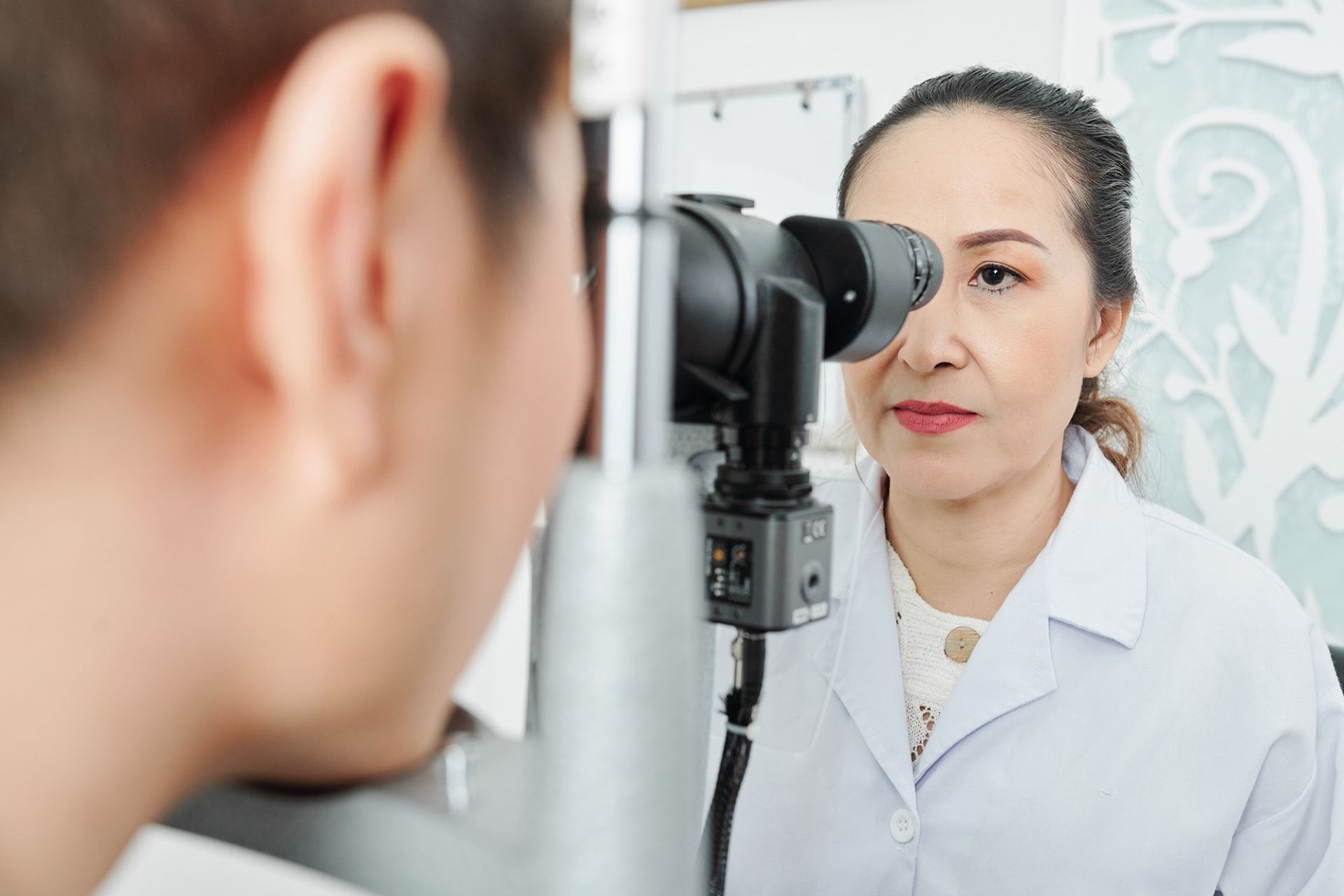
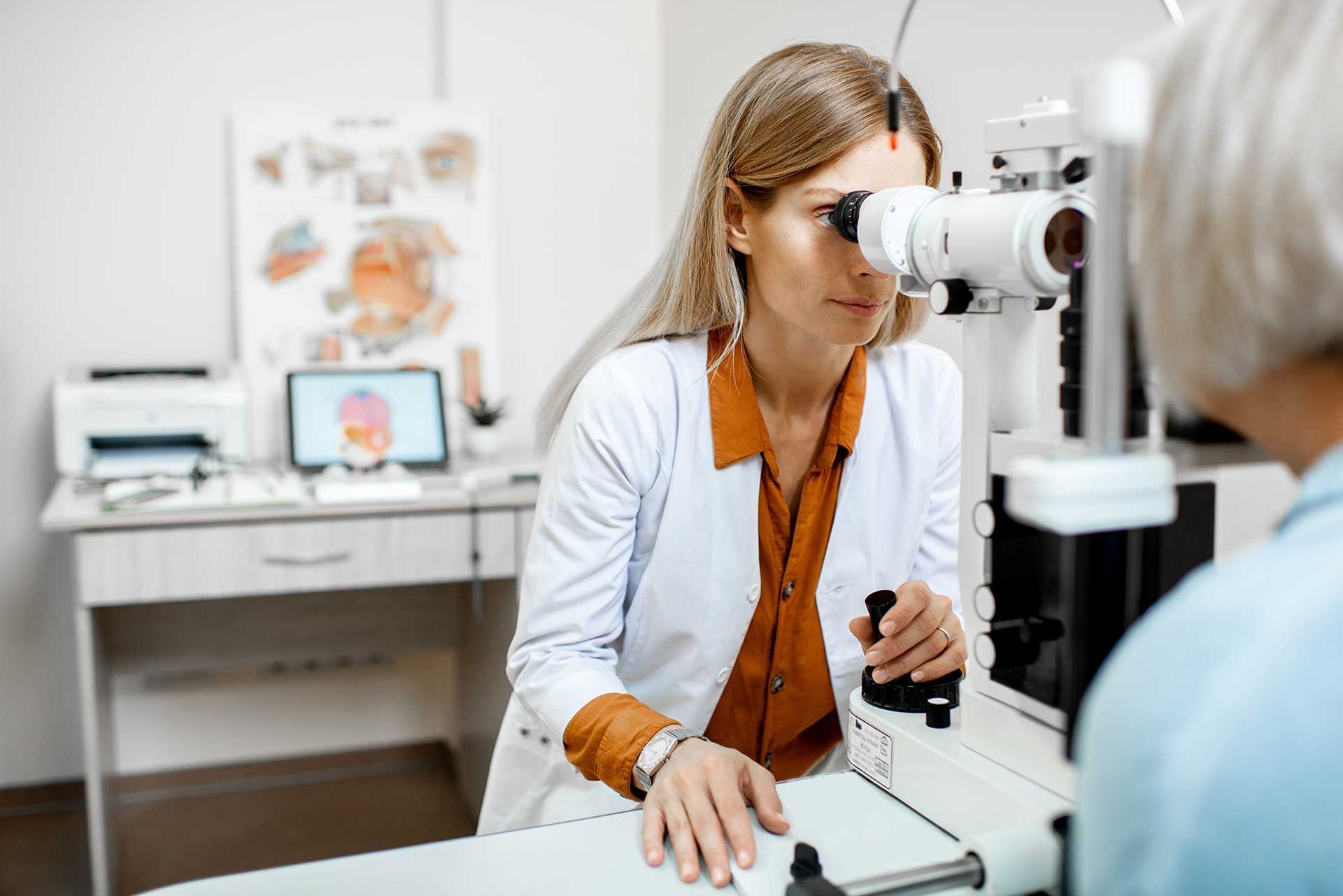
Diagnosing and monitoring glaucoma involves more than simply checking how clearly you can see. An eye doctor may measure intraocular pressure, evaluate the optic nerve, test peripheral vision, and assess other aspects of your eye health. These evaluations help us determine whether glaucoma is present and which treatment approach is appropriate.
When Do We Consider Glaucoma Surgery?
Glaucoma treatment is individualized. Depending on the type and severity of the condition, treatment may include prescription eye drops, oral medication, laser procedures, or surgery.
Glaucoma surgery may be considered necessary when an eye doctor determines that additional intervention is the best way to control the condition and reduce the risk of further damage to your optic nerve. Several factors can influence that recommendation.
Medications Are Not Providing Enough Control
Prescription eye drops are commonly used as part of glaucoma treatment. These medications are intended to help control pressure within the eye, but they may not provide adequate results for every patient.
If eye pressure remains above the target established by your eye doctor despite medication, other treatments may need to be considered. Depending on your individual circumstances, this can include laser treatment or glaucoma surgery.
Glaucoma Continues to Progress
Managing glaucoma involves looking at more than a single eye-pressure measurement. Your eye doctor will also monitor the condition of your optic nerve and changes in your visual field.
If testing shows that your glaucoma is progressing despite the current treatment plan, we might need to take a different approach. The goal of treatment is to slow or halt progression and preserve as much of your remaining vision as possible. Buffalo Eye Center offers glaucoma care ranging from medication to laser procedures and surgical treatment based on each patient's individual diagnosis.
Medication Is Difficult to Use Consistently
Glaucoma medications generally need to be used according to a specific schedule. For some patients, maintaining that schedule can be challenging. Others may have difficulty administering eye drops or may experience medication-related concerns that make long-term treatment more complicated.
You should never stop or change prescribed glaucoma medication without consulting your eye doctor. Instead, discuss any difficulties you are experiencing so your doctor can determine whether another glaucoma treatment option may be more suitable.
The Condition Requires More Aggressive Treatment
The severity and characteristics of your specific condition can also affect treatment decisions. Some patients might require more aggressive management to protect the optic nerve from additional damage.
In these situations, we may consider glaucoma surgery earlier in the treatment process. The appropriate timing depends on factors such as eye pressure, optic nerve health, visual field changes, previous treatments, and the patient's overall eye health.
What Is the Goal of Glaucoma Surgery?
It is important to understand what glaucoma surgery is intended to accomplish. Vision that has already been lost because of optic nerve damage generally cannot be restored through glaucoma treatment. Instead, your eye doctor will focus on managing the disease and reducing the likelihood of additional vision loss.
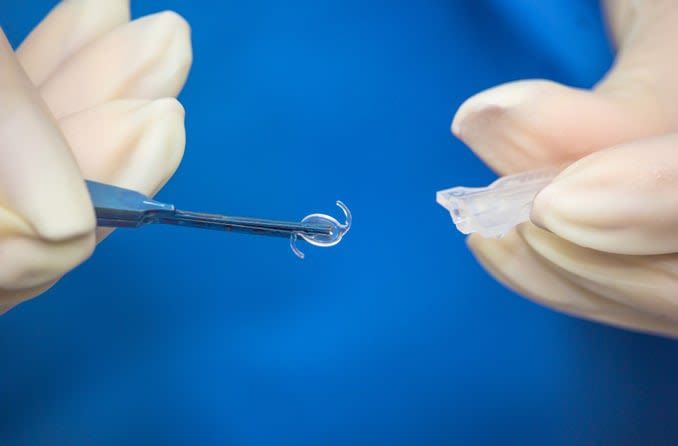
Surgical approaches generally aim to lower intraocular pressure and improve its long-term control. The specific procedure that may be appropriate depends on your condition and previous treatment history.
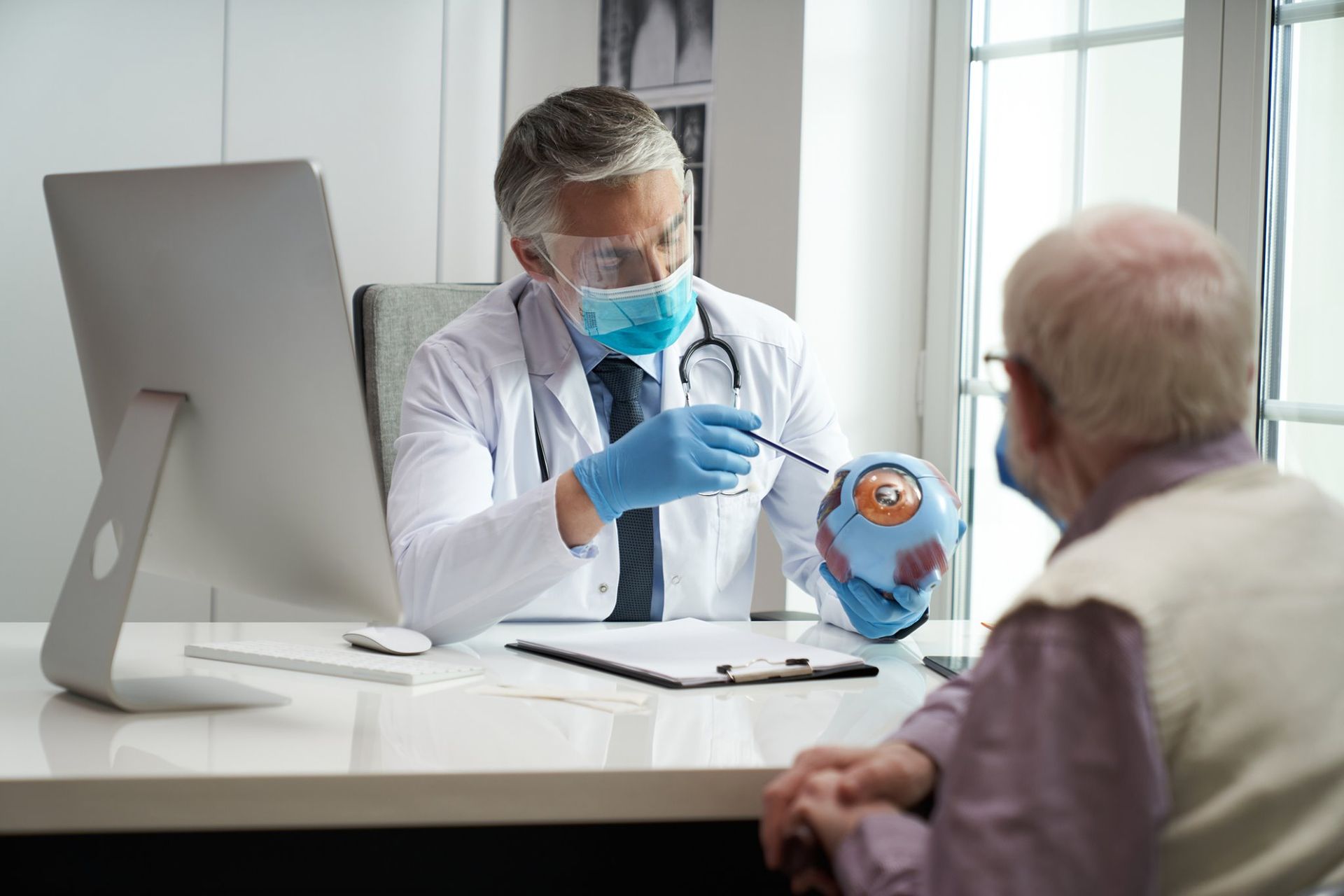
Your eye doctor can explain why they are considering a particular treatment, what to expect from the procedure, and how your eyes will need to be monitored afterward.
Does Every Glaucoma Patient Need Surgery?
No. A glaucoma diagnosis does not automatically mean that surgery will be necessary.
Some patients can successfully manage their condition with prescription medication or laser procedures. Buffalo Eye Center offers glaucoma treatment options that range from medications to laser treatment and surgery, with the appropriate approach depending on the patient's individual case and diagnosis.
The key is consistent monitoring. Glaucoma can change over time, so a treatment plan that is effective today may need to be adjusted in the future. Regular appointments allow your eye doctor to monitor your eye pressure, optic nerve, peripheral vision, and overall eye health.
Why Regular Eye Care Matters When You Have Glaucoma
Because glaucoma can be difficult to notice in its early stages, routine eye care plays an important role in detecting and managing the disease. Waiting until you experience significant changes in your vision can cause irreversible damage.
Patients who have already been diagnosed with glaucoma should follow the examination and testing schedule recommended by their eye doctor. These visits give us an opportunity to evaluate how well your current treatment is working and identify changes that may require us to change tactics.
Regular eye care is also particularly important for people with risk factors for glaucoma. People over age 60 and those with a family history of glaucoma may have an increased likelihood of developing the condition, so it’s even more important to attend your regular appointments if you fit these criteria.
Questions to Ask About Glaucoma Surgery
If glaucoma surgery is the best course of action for you, familiarize yourself with your diagnosis and treatment options. Useful questions may include why surgery is being recommended now, what the procedure is intended to accomplish, whether there are nonsurgical alternatives, what recovery may involve, and how the condition will be monitored afterward.
Every patient's situation is different. A conversation with your eye doctor can provide information specific to your eye health rather than relying on general information about glaucoma surgery.
Schedule a Glaucoma Evaluation With Buffalo Eye Center
Protecting your vision begins with attentive, individualized eye care. Buffalo Eye Center’s board-certified ophthalmologist and eye care team provide comprehensive services that include glaucoma treatment, eye examinations, cataract care, diabetic eye care, and general ophthalmology.
If you have been diagnosed with glaucoma, are concerned about changes in your vision, or want to learn whether glaucoma surgery may be appropriate for you, contact Buffalo Eye Center to schedule an appointment with our eye doctor. We proudly serve patients from the entire Buffalo area, including Amherst, Cheektowaga, Clarence, Grand Island, Kenmore, Lancaster, Lockport, Niagara Falls, North Tonawanda, Orchard Park, Tonawanda, West Seneca, and Williamsville, NY.